
Impact of Hamstring Injuries on Match Running Performance
In modern football, a hamstring injury is one of the most common and frustrating setbacks a player can face.
While the immediate focus is on getting the player back on the pitch, what’s often overlooked is the long-term effect the injury can have on their performance.
Understanding the true impact of these injuries is crucial for coaches looking to keep their team at peak performance and reduce the risk of re-injury.
Consequences of Hamstring Injuries on Match Running Performance
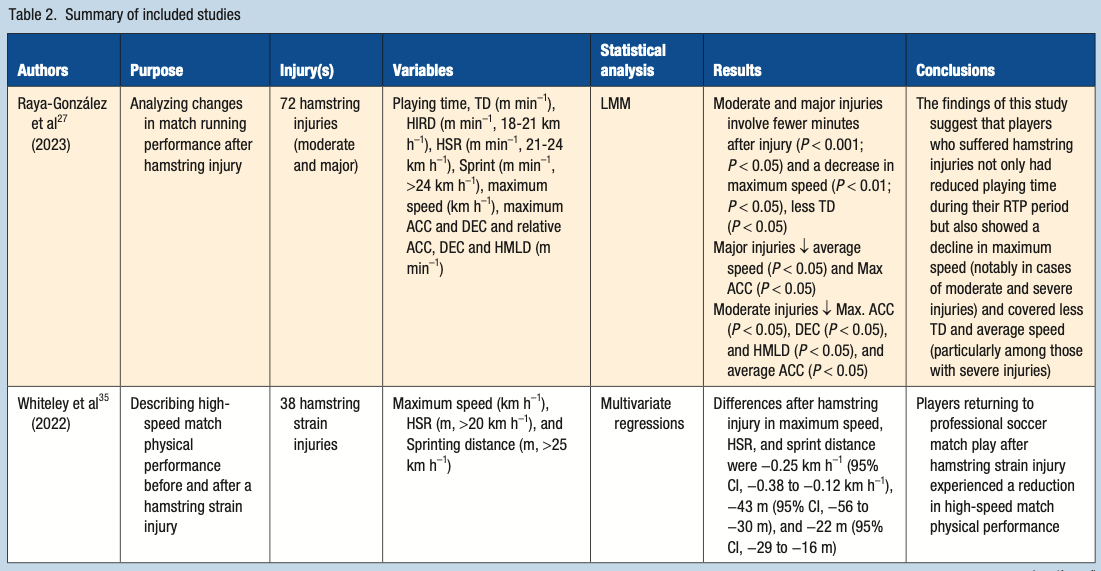
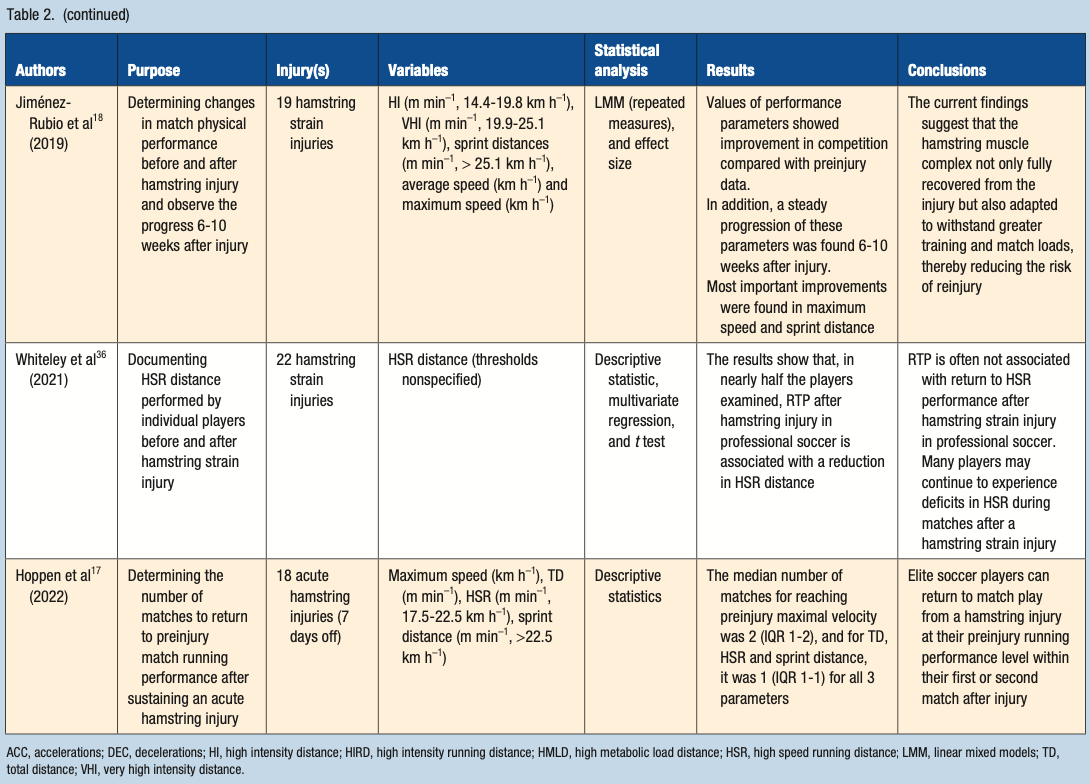
A new systematic review published in Sports Health highlights the significant and lasting impact of hamstring injuries on players. The research analysed data from five different studies to summarise how key performance metrics changed after a player returned to the pitch.
The review found a consistent negative impact on physical performance, especially in variables related to high-speed running (HSR). Players often showed a reduced ability to perform at maximum speed and a decrease in HSR distances after their return to competition.
In addition to a decrease in running performance, the review also found that players typically experienced a reduction in playing time during the first few matches after returning from injury. This is often due to a cautious approach by medical staff to gradually increase a player's exposure to match demands and reduce the risk of re-injury.
The review also highlights the significant risk of re-injury after a player returns to play. Studies show that between 12% and 34% of hamstring injuries reoccur. This emphasises the importance of a well-structured and cautious rehabilitation and return-to-play process to prevent a player from being sidelined again.
Practical Applications for Coaches
These findings provide valuable insights for planning and developing rehabilitation and reconditioning programmes.
A phased return-to-play approach is critical. Don't rush a player back to full-match minutes. A gradual, progressive return can ensure the player is ready for full engagement and minimise the risk of re-injury.
Since high-speed running and maximum speed are significantly impacted by these injuries, rehabilitation programmes should specifically include high-intensity training and HSR drills to help players regain their match-level performance.
Finally, it's essential to monitor player performance by using a follow-up period of at least five matches before and after the injury to properly assess their return to play and to ensure they are performing at their pre-injury levels.
By carefully managing a player's return to play and focusing on high-speed running in their rehabilitation, you can help them recover to their full potential and significantly reduce the risk of a reinjury.
That's all for today.
See you next Friday.
James
🚀 Join The Football Performance Network
Take your career in football to the next level by joining a global community of 70+ physical performance and sport science practitioners.

As a member, you'll get:
✅ Direct 1:1 mentorship
✅ Live events with industry-leading experts
✅ Practical, high-quality educational content
✅ A supportive network that understands your journey
Whether you're looking to grow your skills, make better decisions in your role, or build your career in elite football, this is the place to do it.
🔗 Join now and start learning, connecting, and progressing together.
📃 Become CASES Accredited
Become CASES Accredited through a structured 6 month cohort programme.

Want to become CASES accredited as a physical performance practitioner in football but feel lost by the process?
Join the accelerated 6 month programme led by Dr James Malone to achieve your CASES accreditation.
🗣 Keynote Speaking
Looking for an enthusiastic keynote speaker with expertise in football science for your next event?

Over the past 15 years I have worked in the Premier League, commercial world supporting elite football teams and leading high-impact football research projects within academia.
My keynote sessions use a blend of the latest scientific evidence coupled with practical knowledge and implementation to make each session impactful for the audience.
Common keynote topics include:
✅ Football periodisation and planning
✅ Recovery strategies in football
✅ Player monitoring and load management
I’m available for both in-person events and online webinars.